SEO, GEO & AI News: October 5th – October 18th, 2026
AI Summary
This post summarizes key industry shifts from October 5th to October 18th, 2026. Quentin Yacoub breaks down Google's content guidance, Claude's new rules, the ChatGPT UTM bug, poisoned SERPs, his WebMCP benchmark and ChatGPT's visual ads, plus guides and tools for AI search audits, content formats, internal linking and fan-out queries.

Table of Contents

Cet article est aussi disponible en français : Actualités SEO, GEO & IA : 5 octobre – 18 octobre 2026
Two weeks, one clear message: the rules of AI visibility are getting written down. Google sharpened its guidance on effort, originality and fake authors, Lily Ray reads it as the warning sign of a major update, and Anthropic now explicitly bans using Claude to manipulate the sources its AI draws answers from. Meanwhile, an experiment with 50,000 fake statistics shows why those rules are coming.
Measuring performance also got harder. A ChatGPT bug quietly moved a week of traffic into direct, and Google started serving poisoned results to rank trackers and AI systems.
The agentic web also kept taking shape: MERJ mapped where AI agents fail, I tested whether personal agents use WebMCP, Google opened its UCP hub in Merchant Center, and ChatGPT Ads added visual formats.
This edition is also hands-on: Aleyda Solis’ checklist for AI search optimization, a SISTRIX method to find the content formats that win, my guide to building a WebMCP tool, internal linking automated with Jev for 21 cents, an extension that shows the full page Google rendered, and v2 of my ChatGPT fan-out query extraction script. Dive in for what each shift means for your SEO and GEO strategy.
Have feedback on this digest? Connect with me on LinkedIn.
SEO News
Google Refreshes Its Guidance on AI-Generated Content
Google refreshed its guidance on AI-generated content, and its helpful content guide details the attributes raters evaluate in any main content (effort, originality, talent or skill, accuracy), noting that mass-producing AI text without human oversight represents little to no effort.
Why it matters: Three weeks ago, I joined a panel on AI in SEO, and whether or not to use AI for content creation sparked quite a debate. I believe content has to bring real value to the user: personal experience, expertise, new data, or simply a perspective of your own. Whether it's then drafted with AI doesn't change much. That's exactly what I do here: I use AI to draft, but I'm the one steering it toward what I want, based on my own opinion and experience.
Lily Ray Predicts a Major Google Update Is Coming
Lily RayOctober 4, 2026Lily Ray, one of the top voices in SEO, sees the warning signs of a major Google update: rewritten AI content guidance, effort and originality defined as quality criteria, fake authors labeled as deception, and 4 spam updates in 2026 versus one in 2025. She recommends pruning or reworking scaled AI content, using real authors, and dropping paid mentions and self-promotional listicles aimed at AI answers.
Read the full postWhy it matters: I agree with Lily: auditing your content before the axe falls is the safer bet. Since AI went mainstream, many tactics have spread that can be considered spam and degrade the user experience. Many of them directly target AI answers: Anthropic has already updated its usage policy accordingly, and I believe OpenAI and the other major LLM providers will eventually roll out their own spam updates too.
Paid Links and Planted Mentions Give Themselves Away
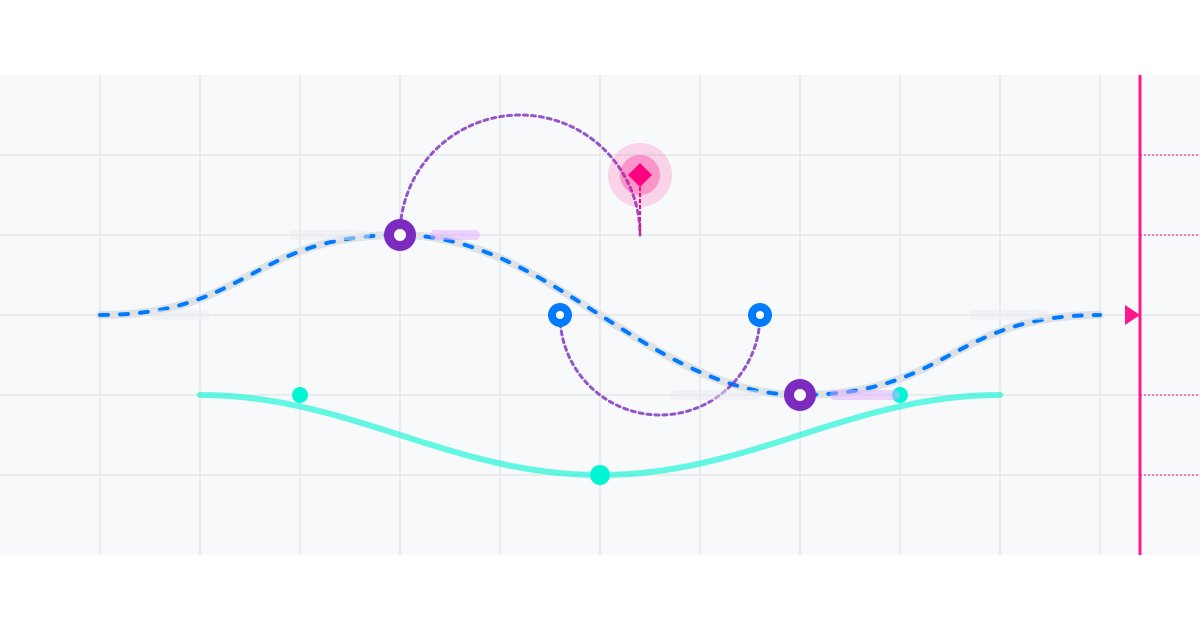
Dan Petrovic (DEJAN)October 6, 2026Dan Petrovic shows that writers place links in patterns stable enough for a model to predict, so outreach links and brand mentions inserted where no reader wanted them are easy to detect, for his model as for Google's. He shares four rules for editorial links (liberal linking, a clear purpose, the strongest target page, natural anchors) and argues that self-ranking listicles mostly boost the leaders they sit next to and will be silently ignored.
Read the full postWhy it matters: I believe backlinks are a thing of the past. Today, AI also looks at signals from social media and forum discussions, and at their sentiment, positive or negative. A social listening tool like Brand24 lets you track those discussions and their sentiment. Building a brand is the real challenge. That said, backlinks can still help build authority early on, so you might as well do them right. As for listicles, I stopped believing in that tactic back in March, as I shared in a previous edition.
Google Is Feeding Rank Trackers Poisoned SERPs
NozzleOctober 10, 2026Across 27.5 million SERPs, Nozzle found that since September Google has been serving rank trackers complete, normal-looking result pages with the usual sites swapped out: 8% of SERPs on average, up to a quarter in late September. It's Google's response to the bulk scraping of its results to ground AI answers, so AI tools that rely on them can be fed the same poisoned data. Tracked sites fall out of the top 10 on most poisoned SERPs, then usually return within three days, so check a keyword's history and Search Console before reading a drop as a ranking change.
Read the full studyWhy it matters: If Google keeps closing access to its results, AI assistants can no longer count on scraping them to ground their answers. My hypothesis is that AI companies will invest more in their own search indexes, or turn to providers like Exa, which lets AI systems search its index through an API. For GEO, visibility would then depend less on Google's rankings alone and more on being well represented in each of these indexes.

Google's Crawling, Indexing and Recovery Timelines
Search Engine JournalOctober 4, 2026At Search Central Live in Barcelona, Gary Illyes, an analyst at Google, shared typical timings of Google's processes: about 20 hours to discover a new URL, 30 days to refresh a known one, 1 to 2 days for a title change, 1 to 3 months for a site move and 3 to 6 months to recover from a core update.
Read the full postWhy it matters: Experienced SEOs had a rough idea of how long Google takes to process a website or reflect changes in the SERP. We now have reference ranges shared by Google itself, which I can use in reports and impact estimates to show that results take time, depending on the type of change made to the website.
Search Console Now Emails Your Preferred Source Count
Search Engine RoundtableOctober 6, 2026Google Search Console has started emailing site owners how many users selected their site as a preferred source, a number not yet available in Search Console itself. Google says the number of people using Preferred Sources has grown more than 7x since the start of the year.
Read the full postWhy it matters: If you haven't done it yet, add the preferred source button: it's a quick win that can influence what your readers and customers see in Google, AI Overviews and AI Mode. My own blog isn't eligible yet: it's still too new for Google to offer it as a preferred source.
Google Explains How HTML Sitemaps Still Help
Search Engine JournalOctober 9, 2026On Search Off the Record, John Mueller, who leads Google's Search Relations team, explained that an HTML sitemap can't replace an XML sitemap, since it's just a list of links without a strict structure, but it still helps users navigate and Google can crawl its links. He advises keeping it selective: on an ecommerce site, list the categories rather than every product.
Read the full postWhy it matters: Placing key links in the footer, on a dedicated sitemap page or in a navigational category is a common way to help crawlers discover a site's pages and strengthen their link equity. I believe it can also help personal AI agents navigate a website. It's also a reminder that a clean sitemap still matters.
GEO News
MERJ Maps How to Optimize for AI Agents
MERJ tested how browser-based AI agents complete tasks on 100 purpose-built pages and live sites, and found that a large share of failures come from defects accessibility already addresses: div buttons, unlabeled icons, click-eating overlays or misleading ARIA, which can be worse than missing ARIA. The study notes that readiness checks confirm labels exist, not that they are true, and proposes a four-phase framework: fix the accessibility foundation, measure key journeys, build semantics into the design system, then add WebMCP where it pays off.
Why it matters: There is real hype around new personal agents such as Dots, Grokbot or Muse, with more and more users. I believe helping these agents interact with your website is key to letting end users find you and interact with you. Adobe Sites Optimizer offers WCAG-based accessibility optimizations, such as alt text, for AI agents. To go further, I explained how to build a WebMCP tool and tested whether AI agents actually use it.
Do Personal AI Agents Use WebMCP?
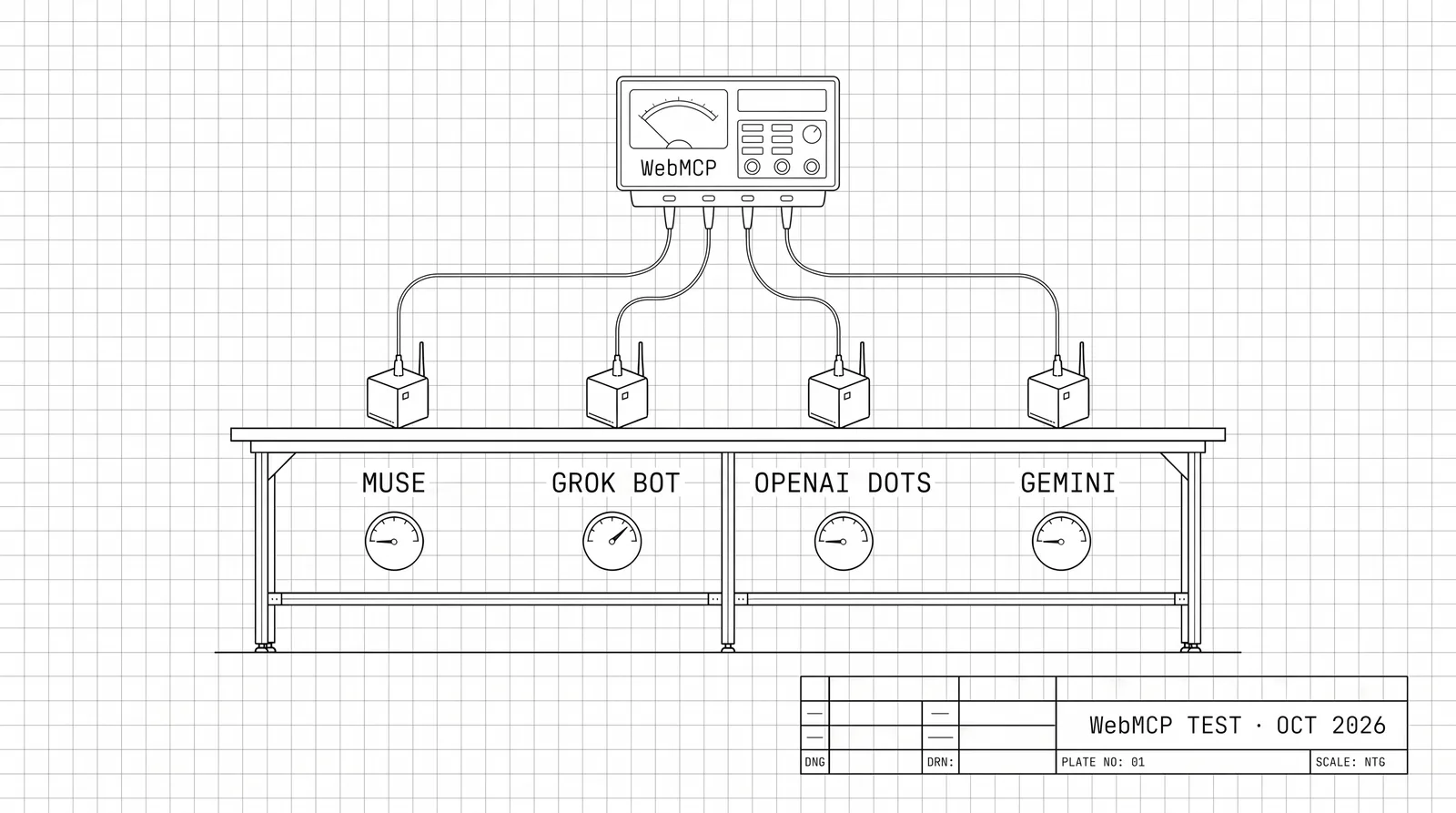
Quentin YacoubOctober 16, 2026I tested Meta Muse, Grok Bot, OpenAI Dots and Gemini on a news search on my site, a car booking and a form on an AEM test site. None of them used WebMCP without being asked, and only Grok Bot called the tools when asked, while three of the four read my JSON news index directly. By contrast, ChatGPT Work, which is not a personal agent, used WebMCP on its own for the car booking and the form. I also compare their speed, accuracy and the fingerprints they leave in logs and analytics.
Read the articleWhy it matters: This benchmark changed my priorities: the readable layer (a JSON index,
llms.txt, markdown pages) did most of the work, while WebMCP stayed marginal for personal agents. For now, I'd treat WebMCP as a pilot and invest first in accessibility and agent-readable files, which already pay off today.A ChatGPT Bug Hid a Week of Traffic in Direct
Cedric Huesler (Adobe)October 15, 2026From October 8, ChatGPT stopped tagging its links with
utm_source=chatgpt.com, and tracked ChatGPT visits fell by about 60% across thousands of Adobe customer sites while direct traffic rose almost as much. Cedric Huesler, who leads product for Adobe's Brand Visibility solutions, flagged it to OpenAI, which confirmed a bug on October 14 and rolled out a fix on October 15. His advice: annotate October 8 to 15 in your analytics, don't rebuild attribution around it, and count the UTM rather than the referrer, which is still missing on most ChatGPT clicks.Read the postWhy it matters: Tracking AI agents is already a nightmare, and from a single site you can't tell whether a drop is yours or everyone's. That's why analyses across thousands of sites, like Cedric's, are so valuable: his first findings spotted the drop within days, and his follow-up confirmed the bug with OpenAI.
50,000 Fake Stats Still Get Cited by ChatGPT
Metehan YesilyurtOctober 7, 2026Metehan Yesilyurt launched a site with 50,000 made-up statistics: Google deindexed it, but seven months later ChatGPT still fetches and cites it, sending 10,000+ sessions, while its fake numbers earned 330+ referring domains and ended up in an academic paper and a bank's research. LLMs hunt for numbers to fill gaps and don't verify them; he shares how to build an honest statistics page that gets cited.
Read the full postWhy it matters: This echoes what I argued on the panel about AI in SEO: AI systems crave what they don't already know, such as statistics, first-hand experience and original research. Bringing concrete, sourced evidence is one of the best ways to get cited. The experiment also shows the flip side: without verification, even fake data gets cited, which is why publishing real, sourced numbers matters.
Ecommerce in the Age of AI Search, by Aleyda Solis
Aleyda SolisOctober 13, 2026At Ahrefs Evolve, Aleyda Solis showed that AI still brings most online stores under 5% of revenue, against over 40% from classic search, yet increasingly shapes purchase decisions. Her playbook: measure your AI presence and check that your site is ready for AI, not just track rankings; earn independent third-party citations; build buying guides and comparisons; treat product feeds as the source of truth; and make sure AI crawlers can access and read your pages.
See the presentationWhy it matters: This is a ready-to-use playbook for ecommerce teams. Shoppers increasingly turn to AI to search, compare and choose products, so giving these systems the information they need (accurate product data, clear comparisons, accessible pages) is now essential to stay present in this new buying journey. And with personal AI agents going mainstream, the purchase itself will increasingly happen on the AI side too.
Google Rolls Out a UCP Integration Hub in Merchant Center
Google Merchant Center HelpOctober 2, 2026Google is gradually rolling out a UCP integration hub in Merchant Center for US merchants, with Australia and Canada to follow next year. It lets retailers choose Universal Commerce Protocol capabilities (cart transfer to their site, native checkout on Google, account linking), test them in a sandbox and fix feed or account issues, so their products can be bought directly in AI Mode and Gemini.
Read the documentationWhy it matters: With personal AI agents going mainstream, I believe more and more transactions will happen inside an AI interface rather than on the brand's website. UCP is Google's answer to that shift, and because it builds on the long-established Merchant Center infrastructure, adoption could be fast.
ChatGPT's
site:Searches Put Your Subdomains in the SpotlightLily RayOctober 6, 2026Lily Ray notes that ChatGPT runs more and more
site:searches, so subdomains such as help centers or documentation (e.g. developer.semrush.com) increasingly feed its answers. She recommends inventorying your subdomains to decide what LLMs should access (staging sites included), and reviewing help centers, documentation and forums to improve how they present your products and brand.Read the postWhy it matters: Understanding where an LLM finds its information is critical to ensuring that information is accurate. It's one of the key concerns of Adobe Brand Visibility customers: making sure LLMs give the right information. Imagine an LLM picking up wrong information from your site's forum and repeating it in its answers. Lily's advice is spot on: make sure your documentation, forums and help content are clean and up to date.
Google Adds More Links to AI Overviews and AI Mode
GoogleOctober 15, 2026Google is adding more inline links higher up in AI Overviews and AI Mode responses, and testing a box at the top of responses that links directly to the official page (one or two at most) where you can complete a task. It is also rolling out news carousels globally, which highlight users' Preferred Sources, and making related-article links more clickable with image thumbnails.
Read the announcementWhy it matters: Many site owners rightly complain that AI Overviews don't send enough traffic to websites. These changes go in the right direction, even if it remains to be seen how many more clicks they will actually bring.
Anthropic Writes 'Don't Game AI Answers' Into Claude's Rules
AnthropicOctober 8, 2026Anthropic's updated Usage Policy, effective November 12, 2026, bans using Claude to manipulate the sources search engines and AI systems draw answers from by seeding them with content that misrepresents its origin, authorship or independence, such as networks of sites posing as unaffiliated sources corroborating the same claims. It also bans distributing content through networks of fake or ostensibly independent outlets, websites or accounts to hide that it comes from a common source.
Read the Usage PolicyWhy it matters: Just as Lily Ray predicted for Google, rules against manipulating AI answers are now coming from model providers too. It's the same movie as in SEO: the rule comes first, enforcement follows. Tactics built on fake independence have an expiration date.
LLM Ads News
ChatGPT Ads Adds a Visual Format and Third-Party Measurement
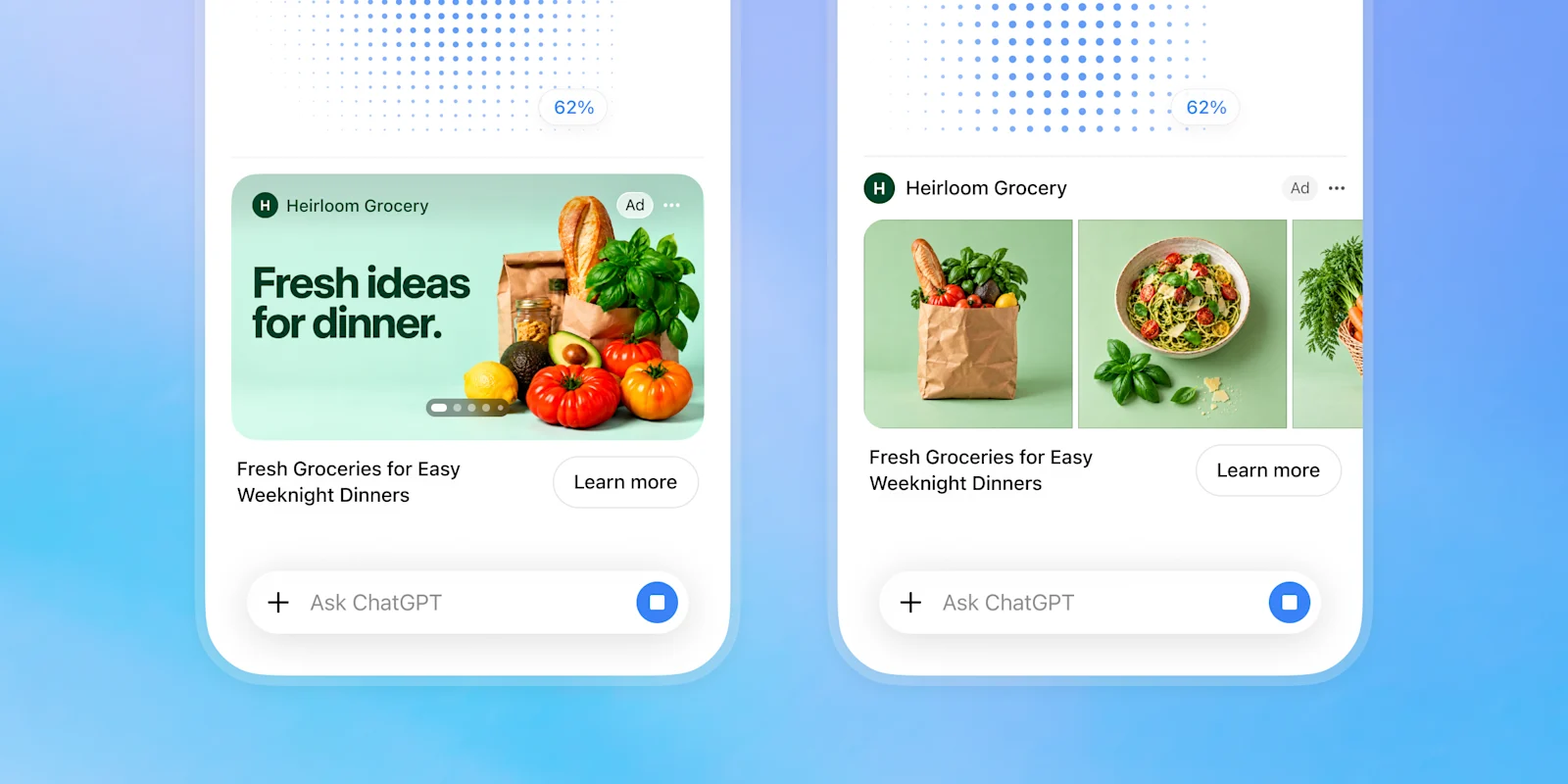
OpenAI will test visual ads in ChatGPT, shown while ChatGPT creates an image the user asked for (clearly labeled and kept separate from that image), starting later this month in the US. It now supports major attribution partners (AppsFlyer, Adjust, Triple Whale, Northbeam and more), conversion data pipelines and early incrementality experiments. It also adds excluded phrases for advertisers and brand suitability pilots with DoubleVerify and IAS that don't access private conversations.
Adobe News
What AI Assistants Can Do in AEM Through the AEM MCP Server
Adobe's unified AEM MCP Server lets AI assistants like Claude, ChatGPT or Cursor create and edit pages, manage assets, check brand compliance and, since the September release, trigger Cloud Manager pipelines in AEM as a Cloud Service, through a single endpoint and with the signed-in user's own permissions. For changes and deletions, Adobe recommends going through its AI Assistant, which has built-in safeguards, and reviewing every action before it touches production.
Why it matters: I only update my own site through Claude Code, and I believe it's becoming the norm for many. I also built a test AEM site using skills in Claude Code, and it's the best of both worlds: you keep an authoring UI like a traditional CMS, while still being able to use Claude or any other coding agent to add content and deploy the site.
Learning News
Aleyda Solis' 12-Step AI Search Optimization Checklist
Aleyda Solis updated her AI search optimization framework: 12 steps, from building a representative prompt library and measuring presence, to diagnosing readiness gaps (extractability, entity consistency, third-party sources, commercial data, localization) and reporting impact.
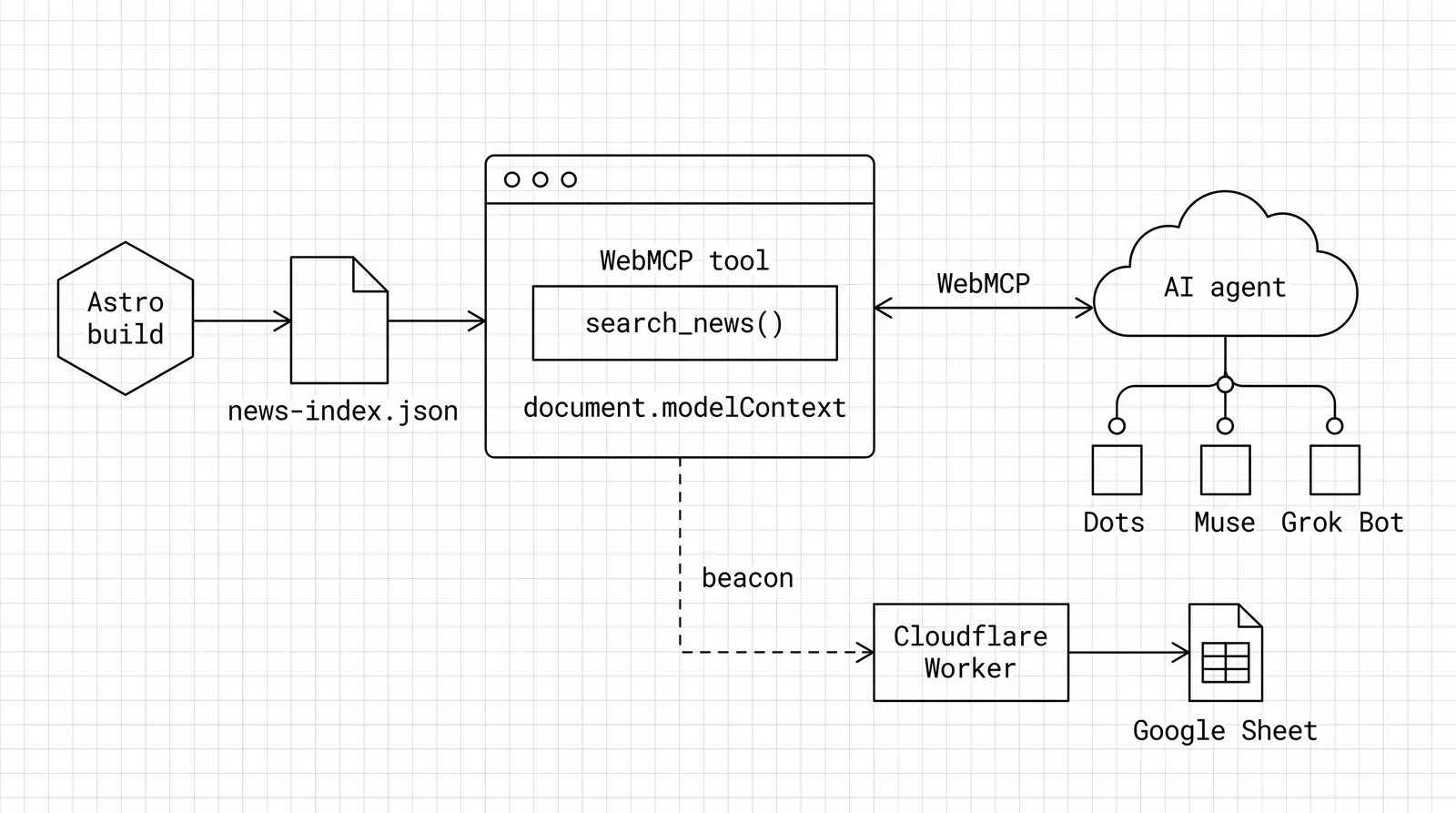
How to Build a WebMCP Tool: A Technical GEO Guide
Quentin YacoubOctober 11, 2026WebMCP lets AI agents call a site's features like an API instead of clicking through pages. I map its use cases by complexity, then walk through how I built a news search tool on my Astro blog with Claude Code, from the JSON index and the tool registration to the Chrome origin trial, testing with Gemini and tracking every agent call.
Read the articleWhy it matters: I built this tool to test whether personal AI agents actually use WebMCP. The code was the easy part: the clean data index behind it and the tracking of every agent call are what made the test possible. Start with a pilot before adopting it at scale.
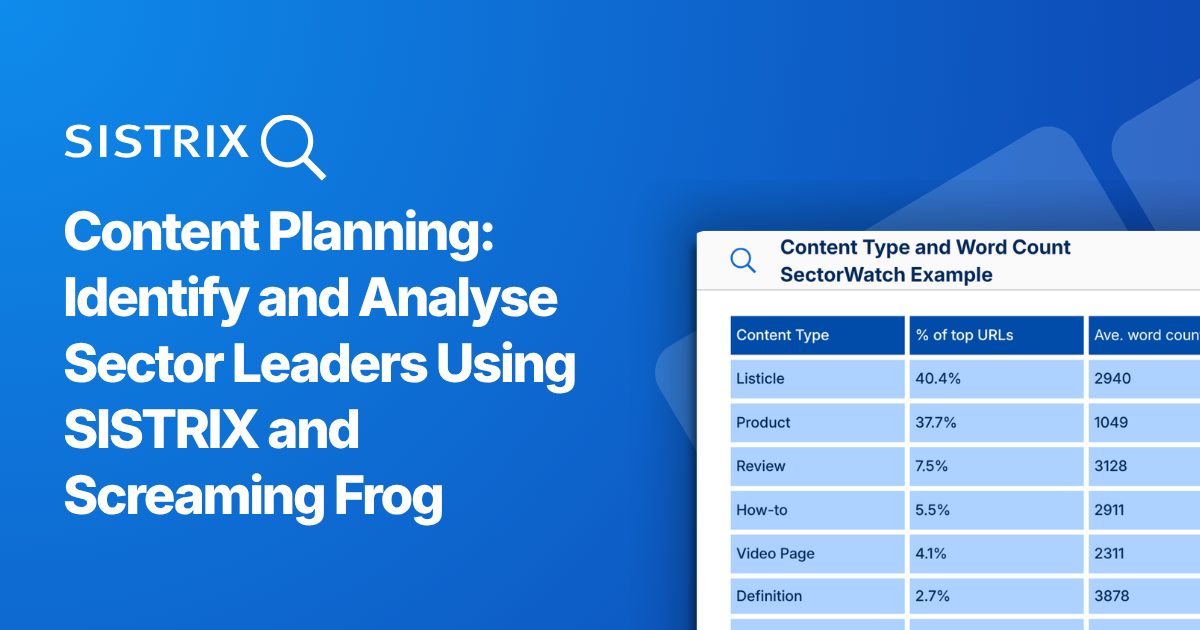
Find the Content Formats That Win in SEO and AI
SISTRIXSeptember 22, 2026Steve Paine walks through a method to find which content formats win in a sector: build a curated keyword list, turn it into realistic prompts, export the top-ranking and most-cited URLs, then crawl them with Screaming Frog connected to Gemini to classify each page by content type.
Read the full postWhy it matters: Considering search intent is essential before creating any content. This technique helps you identify which type of content is needed to meet it.
Tools News
Automating Internal Linking With Jev, for 21 Cents
Paul Vengeons used Jev, a decision model that returns a choice from predefined options with a confidence score instead of generating text, to rebuild the internal linking of a 586-page site: 584 links in 45 seconds for 21 cents. Links above a confidence threshold calibrated on hand-checked examples were placed automatically, the rest reviewed manually.
Why it matters: Our automation pipelines mostly rely on classic LLMs, even though many steps don't need writing, they need a decision: which page to link, which intent, keep or delete. Jev is a game changer here: it's built to decide, returns a confidence score you can act on, and is fast and cheap enough to finally run those decisions at scale.
See Google's Full Rendered Page in Search Console
NatzirOctober 13, 2026Natzir's free, open-source Chrome extension rebuilds the whole page from the HTML Google rendered, right in URL Inspection, while Search Console's own screenshot stops at about 1,750 px and crawled pages have none. It also lists every link with filters (rel, crawlable, visible or hidden on load) and flags what Google couldn't load, such as resources blocked by robots.txt or lazy images that never loaded.
Get the extensionWhy it matters: Search Console's URL Inspection is one of my go-to diagnostic tools: its screenshot and rendered HTML show what Google actually sees. At Decathlon, that's how I caught a release that was telling Google every product was out of stock when they were all available. Its limit was showing only one or two screens of the page; this extension removes it and makes this kind of audit far more reliable. Thanks, Natzir!

ChatGPT Query Fan-Out Bookmarklet v2 for GPT-5.6
Quentin YacoubOctober 4, 2026Since GPT-5.6, ChatGPT no longer saves its fan-out queries in the conversation, so the first version of my bookmarklet only returned citations and search results. Version 2 adds a recorder that captures the queries live from ChatGPT's answer stream and exports them with citations and web results, still free and without an OpenAI API key.
Read the articleWhy it matters: Seeing the queries ChatGPT actually runs remains one of the most useful GEO diagnostics: it shows whether your site appears in the results it read, which sources shape its answer and which content gaps to fill. When GPT-5.6 hid them, I rebuilt the tool rather than lose that view.
Please note: All opinions and blog posts shared on this website are strictly my own personal projects. They do not represent the views, strategies, or official products of my employer, Adobe.

Hi, I'm Quentin, an SEO/GEO Specialist at Adobe building AI powered tools for Site Optimizer and Brand Visibility. I use this site to document my thoughts on where search is heading in the age of AI, and to share the strategies and shortcuts I rely on.
Connect on LinkedInMore News Digests
SEO, GEO & AI News: June 8th – June 21st, 2026
Stay ahead with the latest SEO & GEO news (June 8th – June 21st, 2026). Insights on Google's May core update, llms.txt reality, and Adobe Brand Visibility.
SEO, GEO & AI News: May 25th – June 7th, 2026
Stay ahead with the latest SEO & GEO news (May 25th – June 7th, 2026). Insights on Google's May core update, the llms.txt debate, and Adobe's Semrush deal.
SEO, GEO & AI News: April 13th – April 26th, 2026
Stay ahead with the latest SEO & GEO news (April 13th – April 26th, 2026). Insights on OpenAI’s crawling surge, Gemini's market share, and agentic commerce.

SEO, GEO & AI News: April 6th – April 12th, 2026
Stay ahead with the latest SEO & GEO news (April 6th – April 12th, 2026). Insights on why robots.txt fails news publishers and the 20% drop in GPT-cited domains.
SEO, GEO & AI News: March 23rd – April 5th, 2026
Stay ahead with the latest SEO & GEO news (March 23rd – April 5th, 2026). Insights on Google’s March Core Update, OpenAI’s strategy, and AI crawler optimization.